
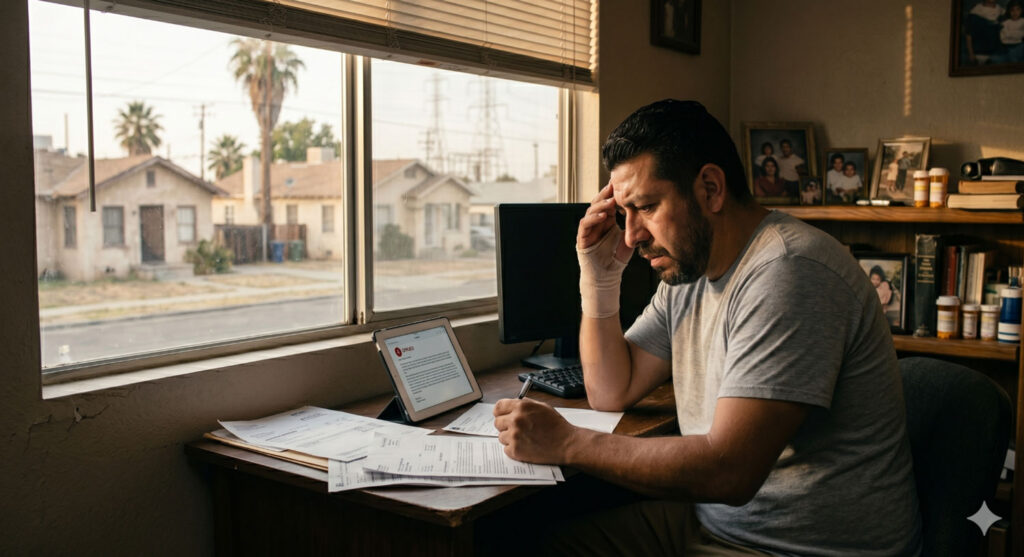
 If you were injured at work in California, you already know the workers’ compensation system is not simple. Between medical appointments, insurance paperwork, treatment authorizations, and disability payments, the process demands time and attention that most injured workers do not have.
Now there is another layer to contend with: insurance companies are increasingly using artificial intelligence and automated systems to process, evaluate, and in some cases effectively derail workers’ compensation claims. This is not a hypothetical concern. It is happening to injured workers throughout Fresno and the Central Valley right now.
Understanding how these systems operate, and where they can cause problems, is one of the most important things an injured worker can do to protect themselves.
How AI and Automation Are Being Used in Workers’ Compensation Claims
Insurance companies and claims administrators have invested heavily in technology designed to streamline how claims are handled. These automated systems are used to
- organize claim information
- review medical records
- process paperwork
- flag claims for additional review
- evaluate treatment requests
- track disability payments
- assist with utilization review
Some carriers go further, deploying predictive analytics software that scores claims based on projected cost or complexity. A claim that the software identifies as potentially expensive may be routed differently, reviewed more aggressively, or subjected to additional documentation requirements before anything is approved.
Insurers frame these tools as efficiency improvements. And in straightforward cases, they may be. But for injured workers with serious injuries, chronic conditions, or complicated treatment needs, automation can translate into a system that feels less like a process designed to help them recover and more like one designed to slow them down.
Can AI Actually Deny a Workers’ Compensation Claim?
Under California law, workers’ compensation decisions still require human oversight. AI alone cannot legally issue a final denial. But that does not mean automation is harmless.
Automated systems shape how claims are prioritized, what documentation gets flagged as insufficient, and which treatment requests get routed for additional review. In practice, this means that a software algorithm may be the reason your surgery was postponed, your physical therapy was questioned, or your claim has been sitting in review for weeks without movement.
The most direct impact injured workers see is in medical treatment authorization. Before an insurance company approves treatment, it typically runs requests through utilization review, a process that measures treatment recommendations against established medical guidelines.
When automated tools flag inconsistencies or missing documentation, delays and denials follow, often without a clear explanation of what was actually wrong with the request.
For someone in physical pain who cannot work and is waiting on a procedure their doctor has already recommended, those delays are not administrative inconveniences. They are real setbacks with real consequences.
Why Workers Are Seeing More Delays and Disputes
The industries that drive the Central Valley economy are hard on the human body. Construction workers, agricultural laborers, truck drivers, warehouse employees, healthcare aides, and factory workers all perform jobs that involve sustained physical strain, repetitive movement, and a constant risk of acute injury.
Workers’ compensation claims from these industries are rarely simple. Insurance companies frequently dispute whether an injury is work-related, or argue that a condition reflects gradual wear rather than a compensable workplace event. Both arguments are common tactics used to reduce or deny benefits.
This is especially common with:
- back injuries
- shoulder injuries
- knee injuries
- repetitive motion injuries
- cumulative trauma claims
- neck injuries
- joint damage
When automated systems are layered on top of these disputes, the result is often a claim stuck in a loop of documentation requests, review cycles, and unexplained delays while the injured worker waits.
Warning Signs Your Workers’ Compensation Claim May Need Legal Help
Not every workers’ compensation claim becomes a fight. Many proceed without major complications. But certain situations are reliable indicators that a claim is heading in a difficult direction.
Your Medical Treatment Is Delayed or Denied
If your treating physician has recommended a procedure, therapy, or medication and the insurance company keeps pushing back, something is wrong. Treatment delays do not just cause frustration but they can also allow injuries to worsen and recovery timelines to stretch significantly.
Your Temporary Disability Payments Stopped
Temporary disability benefits are meant to partially replace wages while you are unable to work. An unexpected interruption or reduction usually signals an active dispute within your claim that needs to be addressed.
Your Employer or Insurance Company Questions Your Injury
Some workers are told:
- the injury is not work-related
- the condition existed before employment
- there is not enough medical evidence
- the injury was reported too late
Disputes like these are common in workers’ compensation cases involving cumulative trauma or long-term physical strain.
You Are Being Pressured to Return to Work Too Soon
Employers and insurers sometimes push light-duty assignments or full return-to-work before a treating physician has cleared it. Returning too early risks reinjury and can compromise your claim.
Permanent Disability is Part of the Picture
When a workplace injury results in lasting physical limitations, the financial stakes of the claim increase significantly. Understanding the full scope of your rights before any settlement or resolution is critical.
How a Workers Compensation Attorney Can Help
California’s workers’ compensation system is built around legal rules and procedural requirements that most injured workers have never had reason to learn. When a claim runs into problems, denied treatment, disputed benefits, pressure from an employer, a claim stuck in review. Having an attorney who knows the system can change the outcome.
At Timothy D. Bartell, PC, the practice focuses specifically on representing injured workers throughout Fresno and the Central Valley. That focus matters. Workers in this region deal with injury types and claim disputes that are specific to physically demanding industries, and handling them effectively requires experience with those particular patterns.
Legal representation may help:
- gather medical evidence
- challenge denied treatment
- address claim disputes
- communicate with insurance adjusters
- protect disability benefits
- handle cumulative trauma claims
- pursue fair workers’ compensation benefits
Timothy Bartell’s background in workers’ compensation allows him to assess complicated claims objectively and advocate for workers who are facing an insurance company with significantly more resources and experience than the average injured worker.
Why Local Representation Matters
Workers’ compensation laws in California can be complicated, and local experience matters. Fresno workers face unique challenges because many jobs in the Central Valley involve physically demanding labor.
Industries throughout the region rely heavily on:
- construction workers
- agricultural workers
- truck drivers
- warehouse workers
- healthcare employees
- factory and industrial workers
These jobs often place significant stress on the body over time, leading to both sudden injuries and cumulative trauma conditions.
A workers’ compensation attorney based in Fresno who regularly handles these types of claims brings practical knowledge that a generalist or out-of-area attorney may not. The difference shows up in how a claim is built, documented, and argued.
Frequently Asked Questions
Can AI deny my workers’ compensation claim?
Not directly. California law requires human oversight in workers’ compensation decisions. But automated systems can influence how claims are reviewed, which treatment requests are flagged, and how quickly things move, and those effects are very real for injured workers.
Why is my medical treatment being delayed?
Treatment delays most often result from utilization review, documentation disputes, claim investigations, or disagreements about whether a requested treatment is medically necessary. An attorney can help identify the specific cause and how to address it.
What is utilization review in California workers’ compensation?
It is the process California workers’ compensation insurers use to evaluate and approve or deny medical treatment requests. Treatment must generally meet established medical guidelines to be approved, and disputes about whether it does are common.
Can cumulative trauma injuries qualify for workers’ compensation?
Yes. California law recognizes cumulative trauma injuries (conditions that developed gradually because of physical work activities) as compensable under workers’ compensation.
When should I contact a workers compensation attorney?
If your claim has been denied, your treatment is being delayed, your benefits have been reduced or stopped, or you feel pressured by your employer or the insurance company, speaking with an attorney is a reasonable next step.
Speak With a Fresno Workers Compensation Attorney
If you are dealing with delayed treatment, denied benefits, or a disputed claim, you do not have to handle it alone.
Timothy D. Bartell, PC represents injured workers throughout Fresno and the Central Valley and helps clients pursue the benefits they may be entitled to under California workers’ compensation law.